World Cup 2026 squad announcements are moving from speculation to official decisions, with coaches now balancing form, fitness, experience, and tactical cover before finalising their lists. FIFA allows each of the 48 competing teams to register up to 26 players, with final lists due to be submitted by 1 June before FIFA publishes the official squads on 2 June.
That attention also spreads across the wider football media space, from live-score platforms and fan channels to online casino sites such as Betbond. But for national team coaches, the central question remains simple: which 26 players give their side the best chance of surviving a longer, more demanding tournament?
Experience Or Form: The First Big Question
The first major dilemma is whether to trust proven tournament players or reward those in better current form. It is a familiar problem, but World Cup squads make it sharper. A club manager can adjust every week. A national team coach has only a short camp, limited training time, and very little room for correction once the tournament begins.
Switzerland has chosen continuity. Murat Yakin’s 26-man squad includes 17 players who featured at the 2022 World Cup, while several others were involved at Euro 2024. Granit Xhaka and Ricardo Rodriguez are set for their fourth consecutive World Cup, giving the squad a strong core of major-tournament experience.
Portugal has followed a similar logic by naming Cristiano Ronaldo, who is set to appear at his sixth World Cup at the age of 41. Roberto Martinez’s selection also includes attacking options such as Joao Felix, Bernardo Silva, and Rafael Leao, but Ronaldo’s presence shows how much weight coaches can still place on leadership, reputation, and tournament know-how.
The risk is obvious. Experience can become loyalty for its own sake. A coach who leans too heavily on familiar names may ignore players who have had stronger domestic campaigns. But in tournament football, trust matters. Many managers prefer players who already understand pressure, travel, media scrutiny, and short recovery windows.
Fitness Risks Could Decide Final Places
Fitness is another major factor. A 26-man squad gives coaches more room than the old 23-man format, but it does not remove the problem of carrying players who are not fully ready. A half-fit star may still be useful, but every risk comes at a cost.
If a manager selects an injured forward, he may lose space for an extra midfielder. If a full-back is short of rhythm, the team may need another defensive option. If a goalkeeper is recovering from a knock, it could affect how many specialists travel.
FIFA rules allow a player to be replaced before a team’s first match in cases of serious injury or illness, but that is not the same as freedom to experiment. The replacement must be justified medically, and teams still need to prepare as if their initial squad will be the one used in the tournament.
Switzerland’s inclusion of Zeki Amdouni, who recently returned from injury, shows how coaches may still back important players if they believe the potential reward is worth the risk. At the same time, surprise exclusions can happen when staff decide that form, fitness, or tactical balance is not convincing enough.
Tactical Balance Matters More In A 48-Team Tournament
World Cup 2026 will be the first edition with 48 teams, and that changes the planning. More teams, more fixtures, and longer travel across the United States, Mexico, and Canada mean squad balance could matter more than ever. Coaches are not only picking their best players. They are building a group for different climates, time zones, and match situations.
That is why versatility can be decisive. A player who can cover both full-back positions, a midfielder who can operate in two systems, or a forward who can play wide and centrally may have a better chance than a specialist with a higher profile.
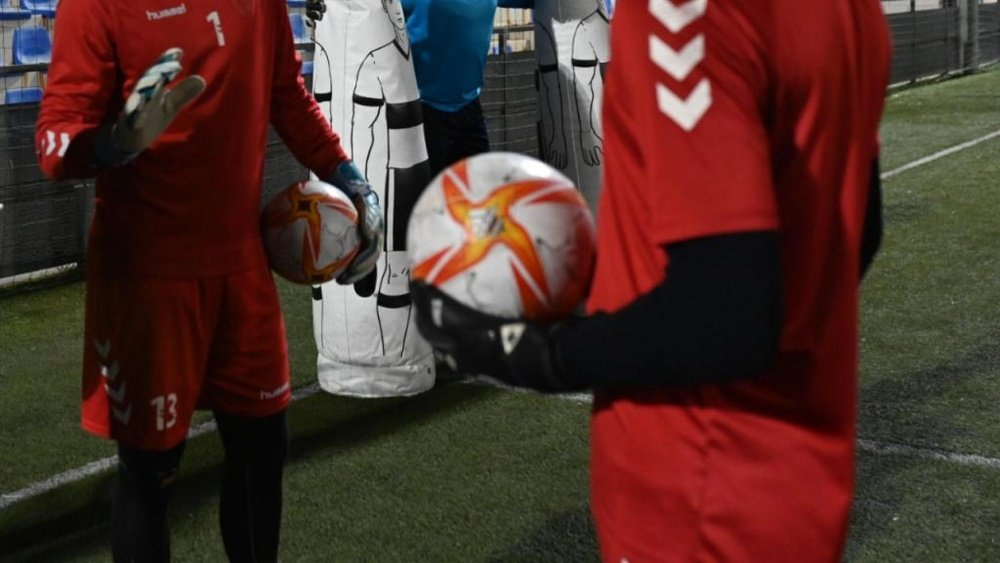
Portugal’s squad announcement showed this thinking clearly. Martinez explained that the tournament’s complexity, weather, and time-zone demands influenced his decision to select four goalkeepers and five full-backs, although only 26 players can be formally registered. Fourth-choice goalkeeper Ricardo Velho is expected to travel as cover and would only enter the official squad if there is an injury among the main goalkeepers.
This is where the final squad placements become difficult. The last two or three players chosen may not be the most famous names. They may simply be the ones who make the whole squad work.
Squad Announcements Are Now A Major Football Event
Squad announcements have become major events in their own right. Fans now follow them live, debate omissions instantly, and compare national team selections across social media, news sites, and live-score platforms. BeSoccer is already tracking confirmed World Cup rosters as countries publish their official lists.
That level of attention brings extra pressure. A surprise omission can dominate the discussion for days. A veteran call-up can split opinion. A young player included ahead of a senior name can quickly become one of the stories of the build-up.
For coaches, the noise is part of the job. They must choose squads that can handle the tournament, not just satisfy public debate. Some selections will be unpopular. Some will look conservative. Others will appear risky until the matches begin.
The biggest arguments will continue until the final lists are locked in. Even then, the debate will simply move to starting XIs, formations, and substitutions. The best World Cup squads are rarely just collections of the best 26 players. They are groups built for pressure, travel, tactical changes, and unexpected problems.
For the teams heading to North America, that balance may decide far more than one headline selection.