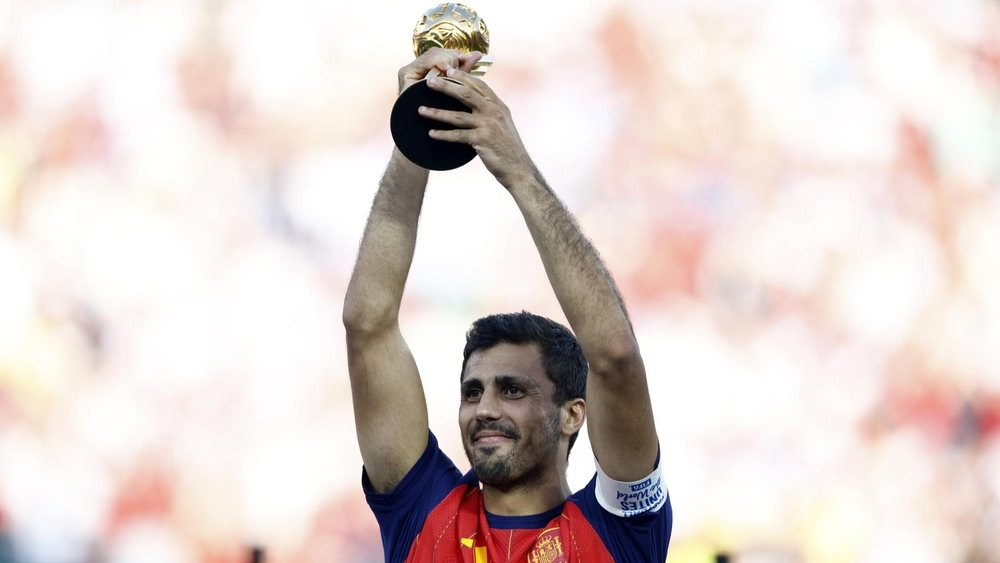
Spain’s World Cup triumph was a testament to the mastery of Rodri. Overcoming early-tournament skepticism to reach his zenith, the midfielder claimed the MVP crown, eclipsing even the goalscoring heroics of Leo Messi and Kylian Mbappe.
Rodri is the personification of precision. His greatest talent lies in his ability to make the game’s most fundamental elements dictate the tempo of a match, making the extraordinary appear effortless. He has elevated the number ’16’ jersey to legendary status for Spain, serving as a captain in all but name—an MVP who requires no social media validation. Luis de la Fuente’s unwavering faith was rewarded; he knew there was no substitute for a player of this calibre. After a measured start in the group stages, the midfielder hit his stride in the knockout rounds, delivering a series of masterclasses that culminated in the final. He was named the tournament’s best player, a decision few would contest, even in a competition defined by elite goalscoring figures and world-class names. This was Rodri’s redemption, and in turn, he became the redeemer for his nation.
A serious knee injury had initially cast a shadow over his prospects. Following a year in which he claimed the Ballon d’Or, the pressing question was: would he ever be the same again? Pep Guardiola had long prophesied that this World Cup would witness the definitive version of Rodri. It was merely a matter of time. With this World Cup title, the Spaniard completes a trophy haul matched by very few in the history of the game: Ballon d’Or winner, European champion (club and country), and world champion (club and country). He has conquered every summit available.
Such a feat has been achieved by only an elite sextet: Franz Beckenbauer, Gerd Muller, Zinedine Zidane, Rivaldo, Ronaldinho, and Leo Messi. At 30 years of age, Rodri becomes the first Spanish player to join this illustrious circle, fittingly cementing his legacy in a showpiece final against the Argentine maestro, who may well have graced the World Cup stage for the final time.
Rodri’s impact went beyond denying Messi a second star; he also snatched the MVP honours that the man from Rosario would likely have secured had he lifted the trophy. Individual accolades are always a major talking point, and as with previous editions, the tournament featured a Spanish protagonist. The Manchester City anchor secured the award through sheer consistency, particularly from the business end of the group stage onwards. Neither the enduring magic of a 39-year-old Messi nor the prolific output of Mbappe could rival his influence.
The substitution he also requested at the Euros
Yet, the tournament’s standout performer was unable to see out the final minutes against Argentina. In a mirror image of the Euro 2024 final against England, Rodri was forced to signal for a substitution, with Martin Zubimendi once again called upon to close the game. The Arsenal pivot, who had been waiting for his opportunity in this World Cup, was thrust into the heat of battle to anchor the Spanish midfield during the closing stages.
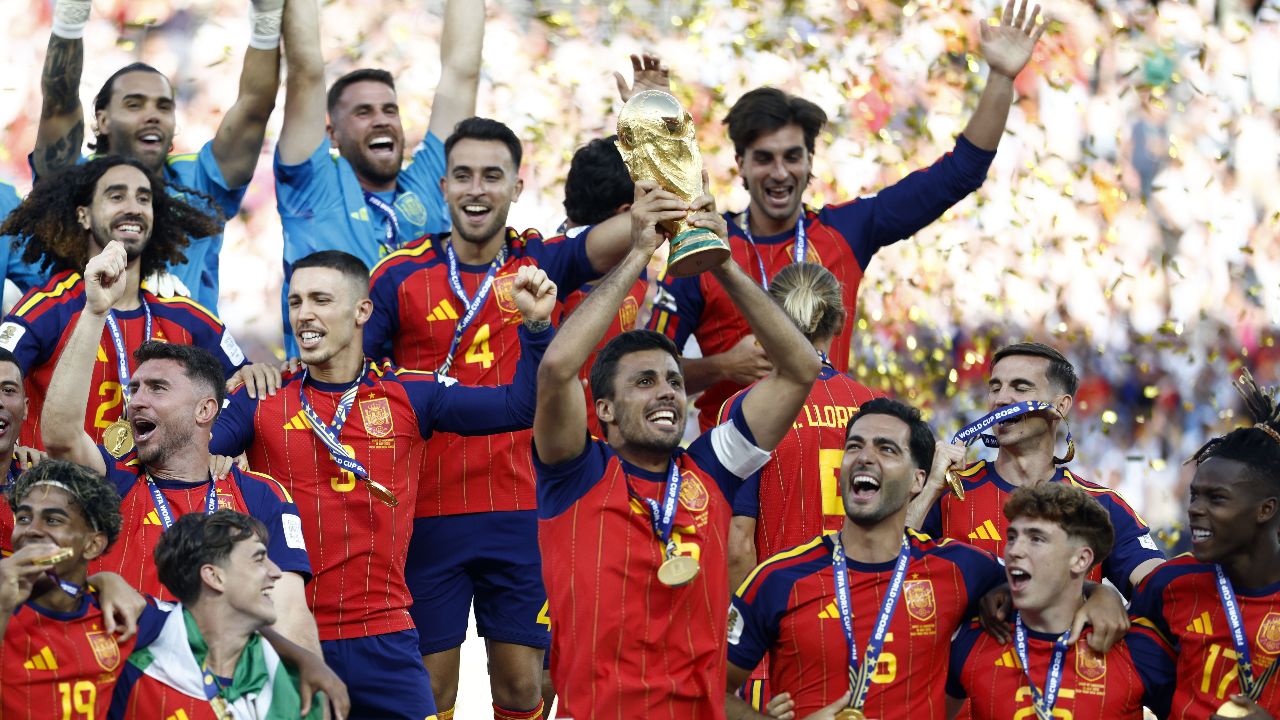
Rodri had left everything on the pitch, having featured in every minute for Spain until that final period of extra time, where he handed the baton to Zubimendi. He was spent. After a brief flashpoint with Otamendi, he stepped up to collect his tournament MVP award before hoisting the second World Cup in Spain’s history. De la Fuente’s trust in Rodri was vindicated; the midfielder had truly become the world’s redeemer.